A low purchase price does not establish an affordable renovation. A fixer-upper combines a property transaction with a construction project, each carrying its own deadlines and uncertainties. Evaluate the house, financing and essential repairs together before making commitments that assume the work will be simple.
Arrange appropriate inspections and specialist assessments within the transaction’s agreed process. Have the remodeler distinguish visible work from conditions needing further investigation. Structural, moisture, electrical or other concerns may require separate expertise. An inspection is not a construction quote, and a contractor’s preliminary opinion is not a substitute for every specialist assessment. Record findings and unanswered questions so they can inform negotiations and your decision to proceed.
Is the condition manageable? · As your scope requires
Architect or structural engineer as needed
Arrange this expertise independently when your scope requires it. Confirm relevant qualifications and experience before engaging a provider.
This expertise may be important for your project. This role is not an official SJBA category; consider arranging this service independently.
Your next step
Can the purchase and work fit together?
Discuss the property’s condition and proposed work with the mortgage professional before assuming a loan will fit. Ask about contractor, documentation, timing and disbursement requirements for any renovation-related product considered. Build a cash-flow plan around when funds are available and bills are due. Have the insurer review occupancy and renovation plans. Neither an attractive estimate nor a prequalification eliminates the need to satisfy the specific transaction requirements.
Can the purchase and work fit together? · As your scope requires
Insurance professional
Property & Casualty Insurance
Clarify coverage for the property’s condition and intended occupancy. Coverage is policy-specific and must be confirmed directly; inclusion here does not confirm protection.
Prioritize work needed for safe, authorized use and protection of the building before cosmetic changes. Confirm municipal requirements for the actual scope and identify design work needed before pricing. Agree which trades must coordinate before walls or finishes close access. Keep optional upgrades separate from essential repairs. A phased plan should describe a usable stopping point if time or money becomes tighter than expected.
Clarify coverage for the property’s condition and intended occupancy. Coverage is policy-specific and must be confirmed directly; inclusion here does not confirm protection.
Arrange this expertise independently when your scope requires it. Confirm relevant qualifications and experience before engaging a provider.
This expertise may be important for your project. This role is not an official SJBA category; consider arranging this service independently.
Stage 01–05 · As your scope requires
Real estate attorney
Arrange this expertise independently when your scope requires it. Confirm relevant qualifications and experience before engaging a provider.
This expertise may be important for your project. This role is not an official SJBA category; consider arranging this service independently.
Stage 01–05 · As your scope requires
Architect or structural engineer as needed
Arrange this expertise independently when your scope requires it. Confirm relevant qualifications and experience before engaging a provider.
This expertise may be important for your project. This role is not an official SJBA category; consider arranging this service independently.
Stage 2 · Optional; when the stated need applies
Pest inspection professional
Pest Control
If observations or purchase conditions call for pest assessment, ask a pest professional to explain findings, inspection scope and any reporting qualifications required. Coordinate confirmed repairs with the remodeling lead before finishes conceal affected areas. Pest service is conditional on the property and findings, not an automatic renovation package.
A low purchase price does not establish an affordable renovation. A fixer-upper combines a property transaction with a construction project, each carrying its own deadlines and uncertainties. Evaluate the house, financing and essential repairs together before making commitments that assume the work will be simple.
01 · Define what you can take on
Separate the features you can tolerate temporarily from conditions that prevent the intended use. Consider available cash, project-management time, temporary housing and your tolerance for uncertainty. Tell the real estate professional whether you want cosmetic work or can consider more extensive renovation. Set a total project limit that includes purchase and ownership costs while work proceeds. Do not measure affordability against the listing price alone.
02 · Investigate condition before choosing finishes
Arrange appropriate inspections and specialist assessments within the transaction’s agreed process. Have the remodeler distinguish visible work from conditions needing further investigation. Structural, moisture, electrical or other concerns may require separate expertise. An inspection is not a construction quote, and a contractor’s preliminary opinion is not a substitute for every specialist assessment. Record findings and unanswered questions so they can inform negotiations and your decision to proceed.
Optional coordination: Pest inspection professional
If observations or purchase conditions call for pest assessment, ask a pest professional to explain findings, inspection scope and any reporting qualifications required. Coordinate confirmed repairs with the remodeling lead before finishes conceal affected areas. Pest service is conditional on the property and findings, not an automatic renovation package.
03 · Align financing with the actual scope
Discuss the property’s condition and proposed work with the mortgage professional before assuming a loan will fit. Ask about contractor, documentation, timing and disbursement requirements for any renovation-related product considered. Build a cash-flow plan around when funds are available and bills are due. Have the insurer review occupancy and renovation plans. Neither an attractive estimate nor a prequalification eliminates the need to satisfy the specific transaction requirements.
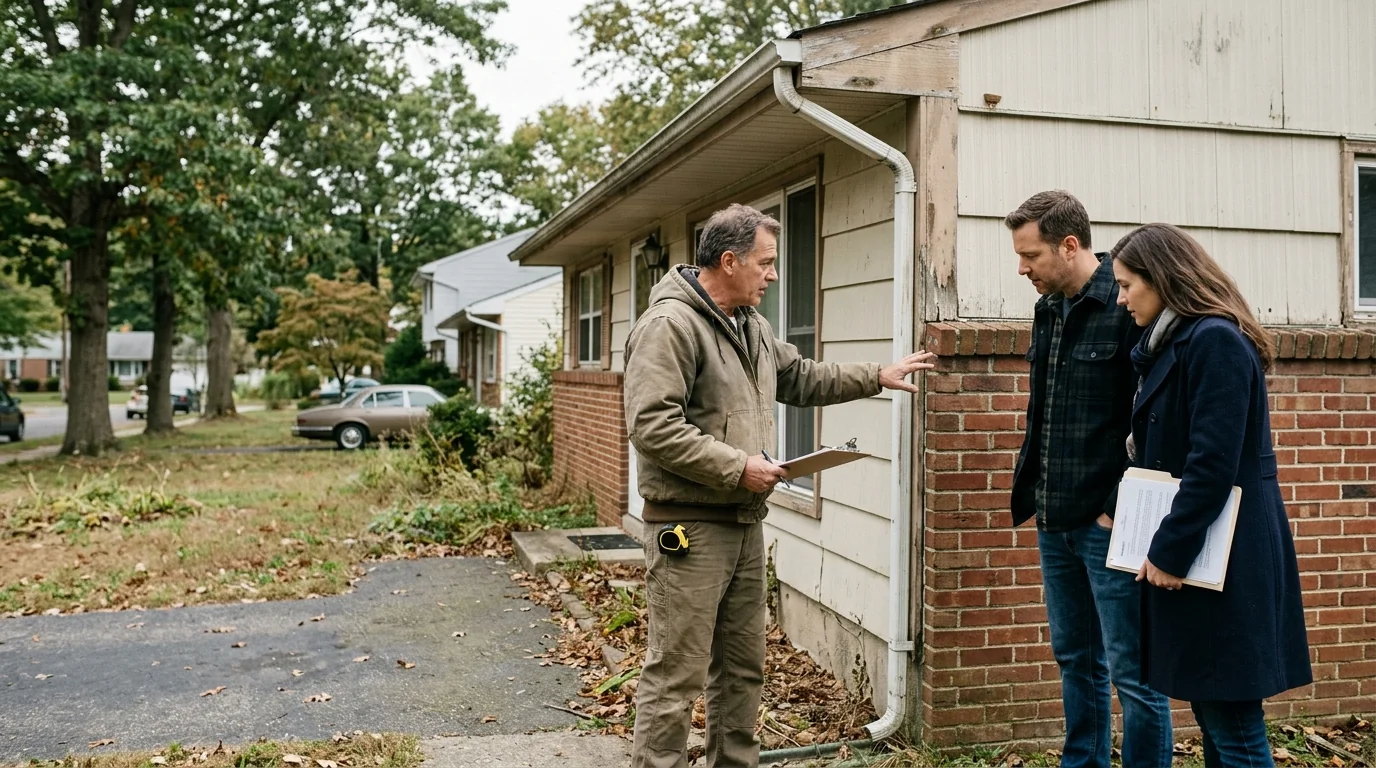
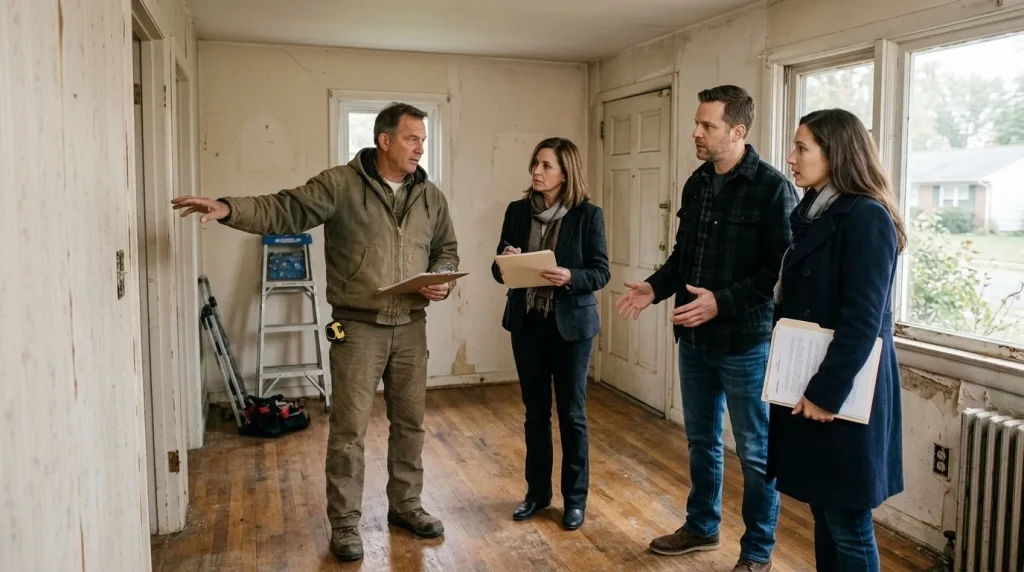
Generated illustration.
04 · Make a phased construction plan
Prioritize work needed for safe, authorized use and protection of the building before cosmetic changes. Confirm municipal requirements for the actual scope and identify design work needed before pricing. Agree which trades must coordinate before walls or finishes close access. Keep optional upgrades separate from essential repairs. A phased plan should describe a usable stopping point if time or money becomes tighter than expected.
05 · Manage changes and build the property record
After purchase, track approved scope changes, spending and schedule consequences. Revisit assumptions when concealed conditions are uncovered rather than continuing with an outdated budget. Collect inspections, drawings and maintenance information as work is completed. Ask the relevant professionals when the planned use is appropriate. Preserve records for future insurance, maintenance and sale conversations, including what was repaired and what remains for a later phase.
Where plans can go off track
The most damaging overlap is committing to purchase on a renovation budget that no one has evaluated against the house. Another is expecting one professional to cover inspection, design, lending and construction questions. Give each role the same scope and known-condition record.
Questions before your next conversation
What would prevent this home from meeting our intended use?
Which unanswered conditions could materially change the budget?
Does financing support the proposed scope and payment sequence?
What is the minimum completed phase we can live with?
Make your next step specific
Bring a short description of your situation, the decisions already made, your timing and any documents relevant to the questions above. Ask each professional to identify what they can handle, what needs another specialist, and which decision must come first. Agree the scope and fees before authorizing work.
Depending on your circumstances, your team may also need Independent home inspector, Real estate attorney, Architect or structural engineer as needed. These roles are included for planning completeness; an SJBA connection is not represented for them here.
Official resources for the details
Use these sources to check requirements relevant to your situation. Municipal approvals, provider scope and individual legal, tax or coverage decisions require direct verification.
Bring purchase costs, essential repairs and financing questions into one plan. Compare proposals and record the evidence needed before your next commitment.