Winter preparation should connect reliable heat, a weather-resistant home and an outage plan. Start before a forecast creates urgency. Focus on known problems and appropriate maintenance rather than treating every seasonal checklist as a reason to buy new equipment.
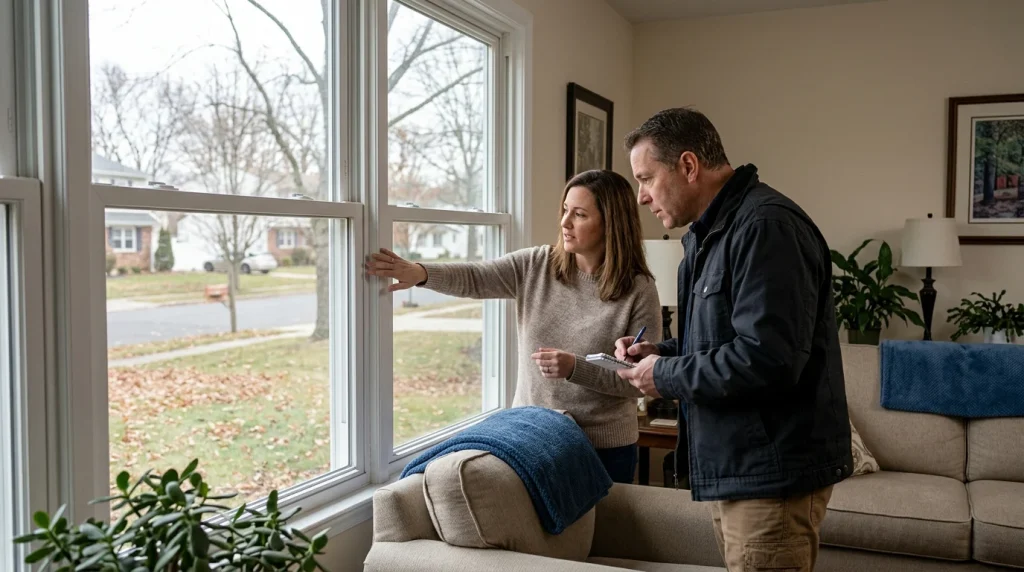
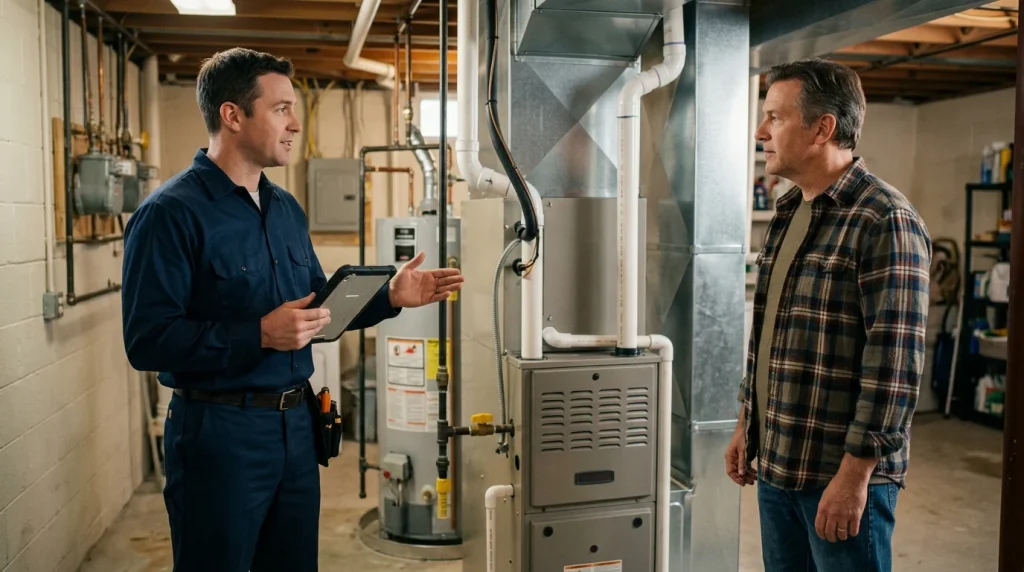
Generated illustration. The scenes in this guide do not depict actual SJBA members or projects.
Your planning readiness check
Which winter preparations still need attention?
Review the decisions below and mark the conversations you have prepared. Each item connects to the relevant part of this guide and the professional roles that may help. This is a planning aid, not a certification of readiness.
Your checks stay on this page only and reset when you leave.
Your next step
Heating and chimney service planned
Ask the HVAC provider about maintenance and known equipment concerns. If chimney-related equipment will be used, obtain appropriate chimney-service advice. Discuss any unusual odors, noises or operating behavior promptly with the relevant provider. Do not use outdoor combustion equipment indoors or improvise heating arrangements. Follow manufacturer instructions and official safety guidance for equipment, alarms and household use.
Have suitable professionals assess roof, drainage or plumbing issues that could worsen during cold weather. Clarify what work is practical and what requires a later plan. Avoid climbing onto roofs or undertaking risky maintenance because a storm is approaching. Keep responsibility for rental or shared-property work clear. If the home will be vacant, discuss appropriate maintenance and monitoring arrangements with relevant providers and the insurer.
Roof and water concerns reviewed · As your scope requires
Plumber
Arrange this expertise independently when your scope requires it. Confirm relevant qualifications and experience before engaging a provider.
This expertise may be important for your project. This role is not an official SJBA category; consider arranging this service independently.
Your next step
Power and access contingencies considered
Use official winter-weather guidance to plan communications, supplies and a safe alternative location if needed. Consider household medical or mobility needs with appropriate care providers. If backup power is proposed, use qualified installation and safe operation; a portable generator must not be used indoors. Keep provider contacts accessible without relying entirely on powered devices. Decide who checks on the home if you are away.
Power and access contingencies considered · As your scope requires
Insurance professional
Property & Casualty Insurance
Clarify property protection and coverage questions. Coverage is policy-specific and must be confirmed directly; inclusion here does not confirm protection.
Clarify property protection and coverage questions. Coverage is policy-specific and must be confirmed directly; inclusion here does not confirm protection.
Arrange this expertise independently when your scope requires it. Confirm relevant qualifications and experience before engaging a provider.
This expertise may be important for your project. This role is not an official SJBA category; consider arranging this service independently.
Stage 01–05 · As your scope requires
Qualified tree professional where needed
Arrange this expertise independently when your scope requires it. Confirm relevant qualifications and experience before engaging a provider.
This expertise may be important for your project. This role is not an official SJBA category; consider arranging this service independently.
Your planning workbook
South Jersey Winter Home Readiness Planner
Organize known concerns, service records and qualified maintenance conversations. Build a household outage plan and track preparation, costs and follow-up.
Winter preparation should connect reliable heat, a weather-resistant home and an outage plan. Start before a forecast creates urgency. Focus on known problems and appropriate maintenance rather than treating every seasonal checklist as a reason to buy new equipment.
01 · Review last winter’s problems
List rooms that were difficult to heat, recurring leaks, frozen-pipe concerns and service interruptions. Gather equipment records and note unresolved repairs. Use qualified professionals for technical assessment rather than trying hazardous checks yourself. Decide which issues affect safety or basic function and which are comfort improvements. A specific problem history makes a service visit more useful than a general request to winterize everything.
02 · Arrange heating and related service
Ask the HVAC provider about maintenance and known equipment concerns. If chimney-related equipment will be used, obtain appropriate chimney-service advice. Discuss any unusual odors, noises or operating behavior promptly with the relevant provider. Do not use outdoor combustion equipment indoors or improvise heating arrangements. Follow manufacturer instructions and official safety guidance for equipment, alarms and household use.
03 · Address building and water concerns
Have suitable professionals assess roof, drainage or plumbing issues that could worsen during cold weather. Clarify what work is practical and what requires a later plan. Avoid climbing onto roofs or undertaking risky maintenance because a storm is approaching. Keep responsibility for rental or shared-property work clear. If the home will be vacant, discuss appropriate maintenance and monitoring arrangements with relevant providers and the insurer.
04 · Prepare for interruption of power and access
Use official winter-weather guidance to plan communications, supplies and a safe alternative location if needed. Consider household medical or mobility needs with appropriate care providers. If backup power is proposed, use qualified installation and safe operation; a portable generator must not be used indoors. Keep provider contacts accessible without relying entirely on powered devices. Decide who checks on the home if you are away.
05 · Maintain and update through the season
Keep a record of service, changes and new symptoms. Follow forecasts and official instructions as conditions develop. Review the plan after an outage or unusually difficult event. Schedule non-urgent improvements based on evidence rather than treating every cold day as proof of equipment failure. Preserve records so next year’s preparation begins with what actually happened.
Where plans can go off track
Waiting for an extreme forecast can reduce appointment choices and encourage rushed decisions. Another risk is using unsafe temporary heating or power arrangements. Separate preparedness from major upgrades, and use qualified professionals for electrical, heating, chimney and plumbing work.
Questions before your next conversation
Which problems from last winter remain unresolved?
What maintenance is appropriate for our actual equipment?
Where can the household go if heat or power is unavailable?
Who monitors the property when we are away?
Make your next step specific
Bring a short description of your situation, the decisions already made, your timing and any documents relevant to the questions above. Ask each professional to identify what they can handle, what needs another specialist, and which decision must come first. Agree the scope and fees before authorizing work.
Depending on your circumstances, your team may also need Plumber, Qualified tree professional where needed. These roles are included for planning completeness; an SJBA connection is not represented for them here.
Official resources for the details
Use these sources to check requirements relevant to your situation. Municipal approvals, provider scope and individual legal, tax or coverage decisions require direct verification.